Navigating the Bethlehem PA Real Estate Market: Historic Homes and Modern Living
When I first moved to Bethlehem, Pennsylvania, I was struck by how much the city felt like a living museum. The old steel mills, the Moravian architecture, the cobblestone streets - it all felt like stepping into a postcard. But after living here for a few years and helping friends find places to buy, I realized that the bethlehem pa real estate market is anything but static. It's a dynamic landscape where history and modernity collide, and understanding that collision is the key to making a smart purchase.
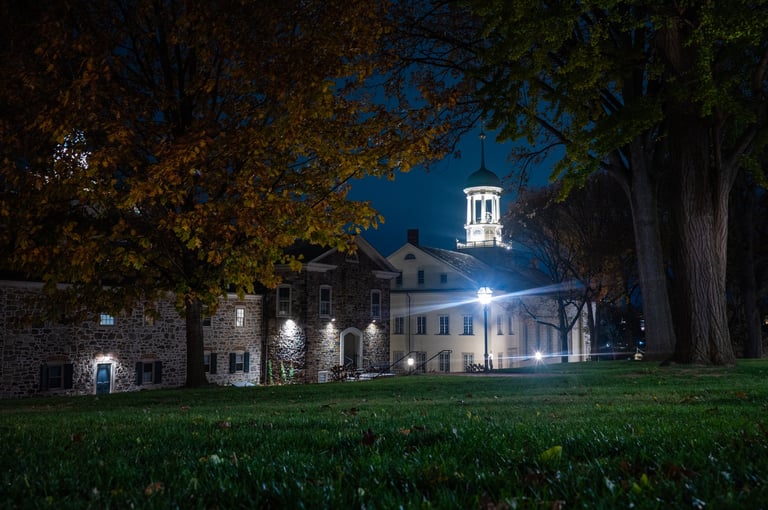
Bethlehem is divided into several distinct neighborhoods, each with its own character and price range. The Historic District, centered around Main Street and the Moravian College campus, is where you'll find the oldest homes in the city. Many of these properties date back to the 1700s and 1800s, with thick stone walls, uneven floors, and narrow staircases. They are beautiful, but they also come with their own set of challenges. I once walked through a charming colonial that had original window sashes so warped they barely opened. The owner had priced it as if those details were a plus, but the cost of restoring them was enormous. That's something to keep in mind when you look at older homes: the charm is real, but so are the maintenance bills.
Understanding the Neighborhoods
The South Side, near Lehigh University, has a younger, more energetic feel. It's full of student rentals, but also some well-kept single-family homes and townhouses. The streets are narrower, parking is tighter, and the bars and coffee shops are everywhere. If you want to be in the thick of things, the South Side is great. But if you're looking for peace and quiet, you might find the noise and foot traffic a bit much.
The North Side, above the historic downtown, is where a lot of families settle. There are parks, good schools, and a mix of older colonials and newer construction. I remember helping a couple look at a house on Wall Street that had been beautifully updated - new kitchen, modern bathrooms, but still the original hardwood floors and a wrap-around porch. They ended up passing because the property taxes were higher than they expected, which is something many buyers overlook. In Bethlehem, property taxes can vary significantly from one block to the next, so always check the tax history before you make an offer.
The West Side and Beyond
The West Side, including areas like the Westgate section and parts of Bethlehem Township, offers more suburban living. You get larger lots, newer homes, and more shopping options nearby. But you also lose some of the historic character that makes Bethlehem special. It's a trade-off. I've known people who moved to the West Side specifically for the space, only to miss being able to walk to a bakery or a local bookstore. Others found that the extra square footage was exactly what they needed for a growing family. There's no one right answer, but knowing your priorities helps.
Another factor that comes into play is the condition of the housing stock. A lot of the homes in Bethlehem were built before 1950, and many have been updated piecemeal. You might find a house with a brand new roof but original plumbing. Or one with a stunning modern kitchen but a crumbling foundation. The bethlehem pa real estate market has seen a lot of flippers in recent years, and not all of them do quality work. I've walked into houses where the renovation looked fantastic at first glance, but a closer inspection revealed shortcuts - thin flooring, slapped-on paint, unpermitted electrical work. If you're not a builder yourself, it's worth hiring an inspector who knows old houses. That hundred dollars or so can save you thousands.
Market Trends and Pricing
Prices in Bethlehem have been climbing steadily for the past decade, but they still offer more value than many parts of New Jersey or New York. The median home price in the city now hovers around $300,000, though you can find condos and townhouses for less, and larger single-family homes for more. Inventory tends to be tight in the spring and fall, with more options in the winter and summer. I've seen bidding wars break out over a well-priced colonial in the Historic District, while a similar house on the West Side might sit for weeks. It's all about timing and location.
Condos and townhouses are becoming more common, especially in the newer developments near the Lehigh River and along the Route 33 corridor. These appeal to retirees and young professionals who want to lock in a lower price and not worry about yard work. But they also come with HOA fees and sometimes strict rules about what you can do with your property. If you like to modify things or have a boat or an RV, a condo might not be for you.
The Rental Market
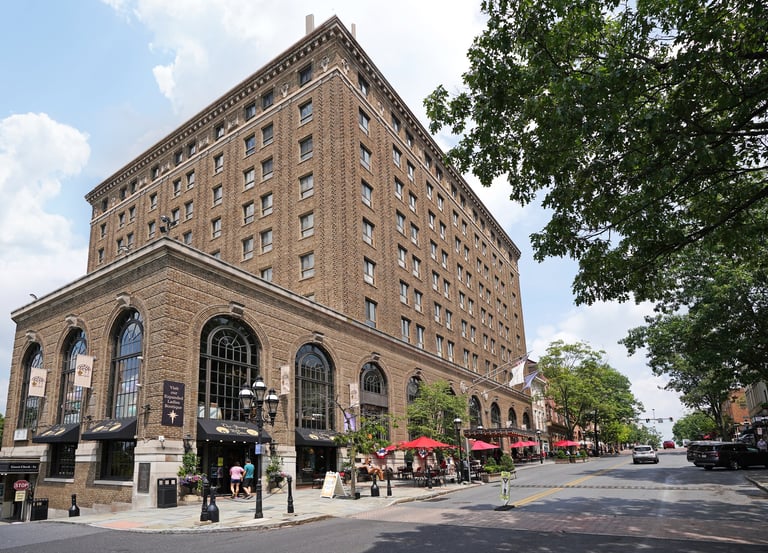
The rental market in Bethlehem is also strong, especially near the two universities. A two-bedroom apartment in a decent building can easily run $1,400 to $1,800 a month. Rents have gone up faster than wages, which is pushing some people to buy sooner than they planned. I've seen renters become homeowners almost by accident - they realized they were paying a mortgage-sized amount each month and decided to make the switch. That said, buying in Bethlehem requires a decent down payment, especially for the more desirable historic properties. Some buyers get help from family, while others save for years.
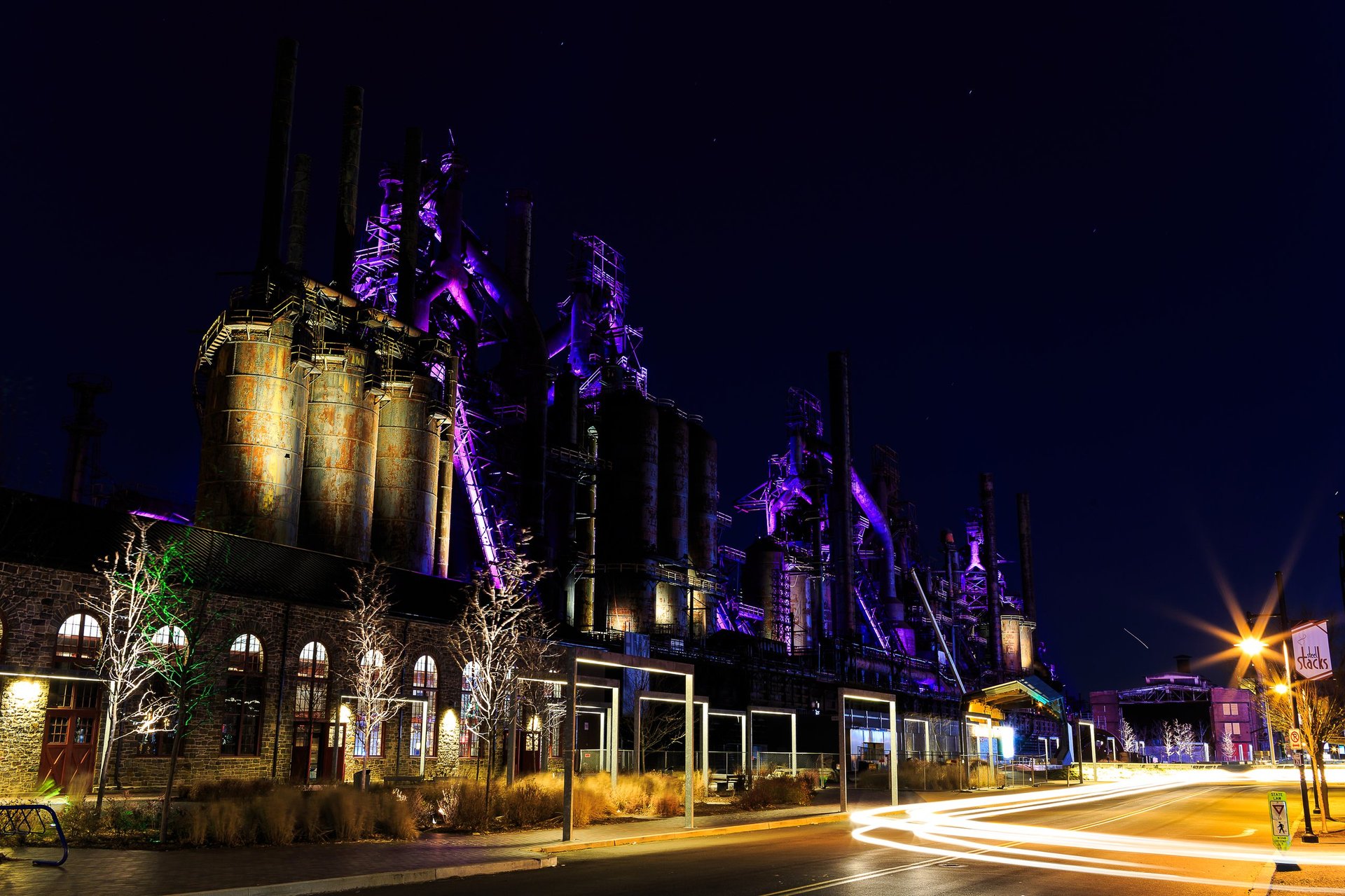
One thing I always tell people is to think about the long term. Bethlehem is a city that has reinvented itself. The old Bethlehem Steel plant is now a bustling arts and entertainment district, with the Sands Casino, concerts, and restaurants. The city has invested in bike lanes and pedestrian improvements. There is a real sense of community here, and that matters for resale value. If you buy a house in a neighborhood that is on the upswing, you might see significant appreciation over five or ten years. But if you buy in a stagnant area, you could be stuck. So do your research. Talk to neighbors. Walk the streets at different times of day.
I've also noticed that the bethlehem pa real estate market attracts a lot of out-of-state buyers, especially from New York City and northern New Jersey. They come looking for a bargain and a slower pace. But sometimes they underestimate the property taxes or the cost of heating an old house. One couple I know bought a beautiful Victorian near the Hill-to-Hill Bridge and then spent their first winter shivering because the boiler was ancient and inefficient. They ended up putting in a new HVAC system, which ate up most of their savings. The lesson is simple: don't fall in love with the wallpaper. Look at the bones.
Practical Advice for Buyers
If you are serious about buying in Bethlehem, start by getting pre-approved for a mortgage. That gives you a clear budget and shows sellers you mean business. Then, find a local agent who knows the city well - not just the zip codes, but the specific blocks. There are some streets that flood when it rains heavily, and others that have great access to walking trails. An agent who has lived here for years will know those details.
Also, be patient. The market can be competitive, but it's not impossible. I've seen buyers get discouraged after losing a few offers, then eventually find a house that fits them better anyway. The key is to stay flexible on location and condition, but firm on your budget. If you want a historic home, be ready for maintenance. If you want something newer, be prepared to pay a premium. Either way, Bethlehem offers a quality of life that is hard to beat.